How Halter Hires 300 People a Quarter Without Immigration Slowing It Down


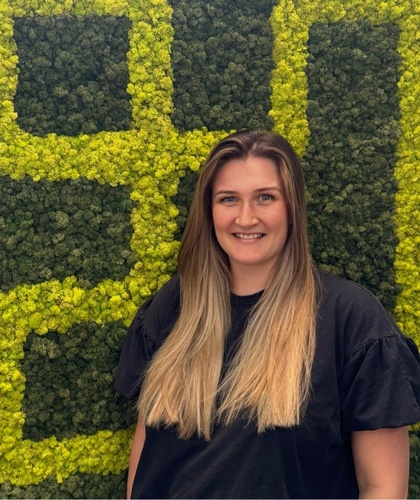

They've really opened doors and enabled us to hire people in markets where we weren't able to, or advised we weren't able to. And that's been epic for us.
Overview
On farms from the Waikato to California, around a million of Halter's solar-powered collars steer cattle with sound and vibration. No fences, no motorbikes, no early starts to shift the herd. Founded in 2016 by Craig Piggott, who grew up on a dairy farm in Matamata, Halter has become what Emily Hett calls an operating system for agriculture.
The growth behind that is relentless. In March 2026, Halter raised US$220 million in a Series E led by Founders Fund, valuing the company at US$2 billion, with expansion into Ireland and the UK on the roadmap. Emily's job is to keep the talent engine running at that pace. By her own count, Halter is on track to hire 300 people in a single quarter.
Before Concord, immigration was the part of that engine she couldn't control. In her words: lengthy, time consuming, costly, and pretty painful.
Challenge
Hiring at a Pace Immigration Wasn't Built For
Visa processes are designed for one application at a time, moving on government timelines. Halter needed to make hundreds of offers a quarter, many to people who required work rights before they could say yes. Every week lost in processing was a week a critical role sat empty.
Being at the Mercy of the Process
Before Concord, Emily describes managing visas as being at the mercy of the system. It was lengthy, time consuming, and costly, with little visibility into where an application stood or what could move it faster. For a talent leader accountable for hiring outcomes, that lack of control was the hardest part.
Critical Markets Where Time Is of the Essence
Some of Halter's most important hires sit in markets where the obvious visa routes are slow, unclear, or seemingly closed. Previous advisors told the team certain hires simply couldn't be done. With expansion accelerating across three continents, waiting wasn't an option.
Partners Who Couldn't Match the Volume
Halter had worked with other immigration partners before. The recurring problem wasn't quality; it was throughput. As Emily puts it, other partners just weren't able to match the speed and volume Halter was giving the team. The hiring plan kept outrunning the advice.
The Turning Point: Finding Concord
Emily was introduced to the Concord team while already deep in the grind of managing visas at volume. What she noticed first wasn't a clever legal strategy. It was posture. "What really solidified the partnership between Concord and Halter was the fact that these guys met us where we're at," she says.
Meeting Halter where it's at meant working like Halter works. Concord's team jumps on calls at 9pm when that's when decisions get made. When a critical market looked closed, they came back with creative routes to hire there anyway, rather than a memo on why it couldn't be done.
The proof came quickly: hires landing in markets Halter had been advised were off the table, at a speed the previous partners hadn't matched. "They've been instrumental," Emily says.
The Outcome
The bottleneck has flipped. Immigration is no longer the reason a role stays open; it's part of how Halter competes for people other companies can't reach. The team is hiring in markets that were previously closed to them, or that they'd been advised to write off.
The company those hires are joining keeps compounding. Since launching in the US in 2024, Halter has built nearly 100,000 kilometres of virtual fencing for American ranchers, and the Series E is funding 200-plus new roles in product, engineering, and customer teams at the Auckland headquarters, alongside the push into Ireland and the UK.
For Emily, the measure is simpler than any of those numbers. Concord opened doors into markets Halter couldn't hire in before.
"What really solidified the partnership between Concord and Halter was the fact that these guys met us where we're at."





Begin your visa journey with Concord
Start your visa journey today