How Tracksuit's AI Lead Secured an E-3 to Build Go-to-Market in New York


.webp)

Five weeks from first call to visa in hand. No months of waiting. I'm heading to New York to build what matters most.
Overview
Tracksuit is a New Zealand-founded brand tracking platform that makes brand measurement accessible to companies that used to rely on expensive, slow research panels. Over 1,000 customers use it. The US market has been growing at 240% year-on-year, and that growth needed someone on the ground building the AI-powered go-to-market engine, not managing it across time zones.
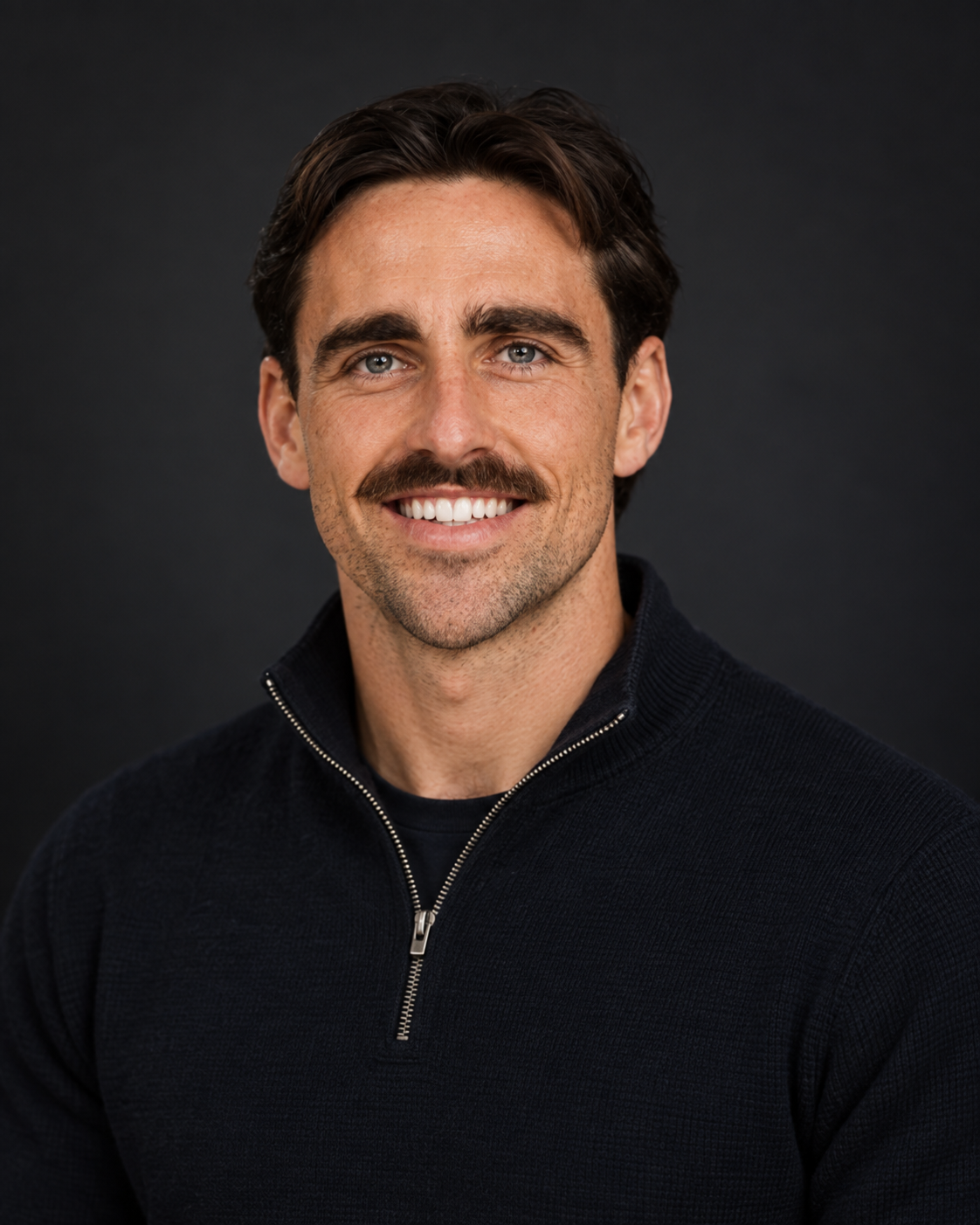
Saahil Bijlani was already in the role, based in Australia. He was the person Tracksuit trusted to lead their AI strategy into the US. But running go-to-market for your fastest-growing region from 16 hours ahead doesn't work when the job is relationship-driven, real-time, and physical. New York needed him there.
The E-3 visa, available only to Australian nationals, was the clearest path. But "clearest" doesn't mean simple. The LCA, petition letter, and DS-160 all needed to be airtight, and the consulate interview in Melbourne had to go smoothly on the first attempt.
Challenge
Three documents, zero margin for error
The E-3 requires an LCA, a petition letter, and a DS-160. Each one has to align perfectly with the others. A mismatched job title, an inconsistent salary figure, or a vague role description can trigger questions at the consulate window. There's no premium processing safety net here; you walk in and find out on the day.
Consular processing in Melbourne
Unlike petition-based visas, the E-3 is adjudicated at the consulate itself. That means the officer makes the call in person, on the spot. Saahil needed to walk into Melbourne prepared to explain his role, Tracksuit's US operations, and why physical presence in New York was essential. One weak answer and he'd walk out empty-handed.
Coordinating across hemispheres
Tracksuit is headquartered in New Zealand. Saahil was in Australia. The US role would be based in New York. Pulling together corporate documents, offer letters, and supporting evidence across three countries and multiple time zones required tight coordination. Delays in any one jurisdiction could push the whole timeline out.
Speed without shortcuts
Tracksuit's US growth wasn't slowing down to wait for a visa. The team needed Saahil in New York as soon as possible, but rushing the application and cutting corners on documentation would have been worse than waiting. The petition package had to be thorough and fast at the same time.
Tracksuit already had an existing relationship with Concord through previous visa cases for other team members. When the E-3 question came up for Saahil, the connection was already there. Concord's team in ANZ understood the company, the growth story, and the urgency.
What made the difference was the pace and the precision. Concord kicked off in mid-February and had the full petition package done by early March. Their ANZ-based team worked alongside Tracksuit HQ in New Zealand during local business hours, so there was no waiting overnight for replies or chasing documents across time zones. Every piece of the application, the LCA, the petition letter, the DS-160, was built to tell a consistent story: Tracksuit's US market was their fastest-growing region, and their AI lead needed to be in the room.
Concord also ran interview training so Saahil walked into the Melbourne consulate prepared for anything. He walked in, sat down, and walked out approved the same day.
"You can't run go-to-market for your fastest-growing region from the other side of the Pacific. The US needed me in the room, not on a call at midnight." (Saahil Bijlani)
The entire process took under five weeks from kickoff to approval. No lottery. No months-long USCIS wait. Saahil walked into the Melbourne consulate and walked out with his E-3 visa the same day.
He's now heading to New York to build AI-powered go-to-market for one of the fastest-growing companies out of this part of the world. With 1,000+ customers and 240% year-on-year growth in the US, Tracksuit's American expansion isn't speculative. It's already happening. What was missing was the person who could run it from inside the market.
For Australian professionals and founders looking to work in the US, the E-3 is often the right first conversation. 10,500 spots are available every year, roughly 4,500 go unused, and it's renewable in two-year increments indefinitely. It can also be a stepping stone to O-1A or green card pathways down the line. The hard part isn't the visa category. It's making sure every document tells the same story when you sit down at that consulate window.



Begin your visa journey with Concord
Start your visa journey today